

The Curiosity Project

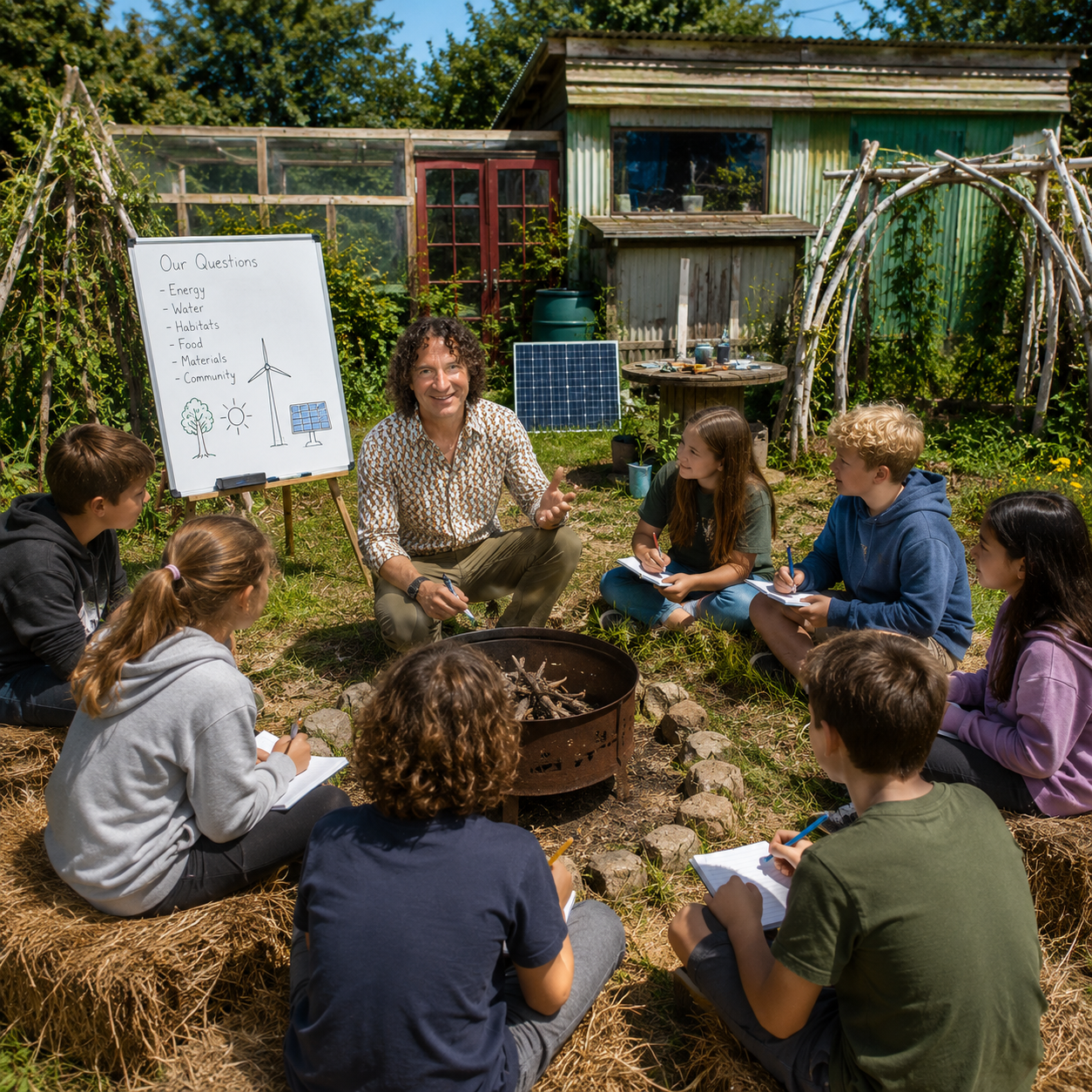
Learning Through Nature
Real experiences. Real questions. Real understanding.
Every part of the Curiosity Project is a living laboratory. There are no worksheets waiting for the “right answer” - only genuine questions that need investigating.
You might help answer questions like:
-
Should we sell, rent or grow our Christmas trees?
-
How can willow become baskets, sculptures or wildlife habitats?
-
How do we build an off-grid shower using rainwater?
-
How should we wire a solar panel, battery and inverter safely?
-
Can a small wind turbine power the field?
-
Which habitats create the greatest biodiversity?
-
How healthy are our pond and stream ecosystems?
-
Which crops are best suited to this field?
-
Can the field become financially self-sustaining while improving nature?
-
How can we cook, heat water and live off-grid with minimal environmental impact?
Living Laboratories
Real places. Real questions. Real learning.
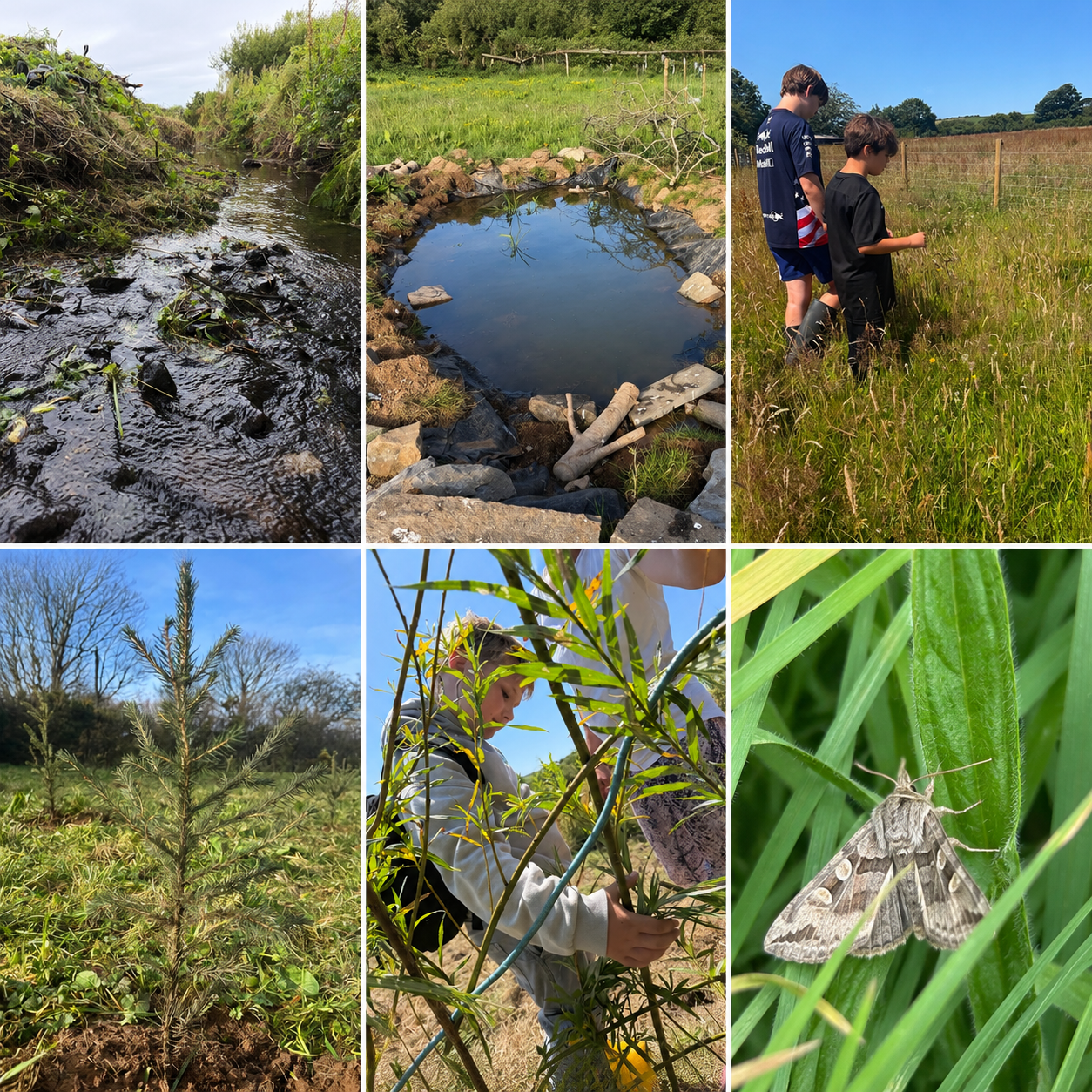
The Curiosity Project is built around six living laboratories, where young people investigate the natural world through authentic enquiry, practical projects and citizen science.
From monitoring water quality in the stream and recording species in the pond, to restoring habitats, growing willow, establishing Christmas trees and managing species-rich grassland, each environment provides opportunities to observe, collect evidence, test ideas and make informed decisions.
Learners contribute to real environmental monitoring, biodiversity surveys and habitat management while developing scientific thinking, practical skills and environmental stewardship. Every visit generates new questions, making each experience unique and connecting learning with genuine action.

How We Learn
From curiosity to action
At the Curiosity Project, learning begins with a real question rather than a worksheet.
Young people observe, ask questions, gather evidence, test ideas and reflect on what they discover. They become scientists, engineers, ecologists, designers and problem-solvers, working on authentic challenges that matter.
Our approach combines:
-
Nature-based learning in six living laboratories
-
Citizen science that contributes to understanding local biodiversity and ecosystems
-
Practical engineering through renewable energy, water systems and sustainable technologies
-
Creativity and enterprise by designing, making and improving real projects
-
Thoughtful use of AI to support enquiry, analysis and communication—not replace critical thinking